Set Yourself Up for Success
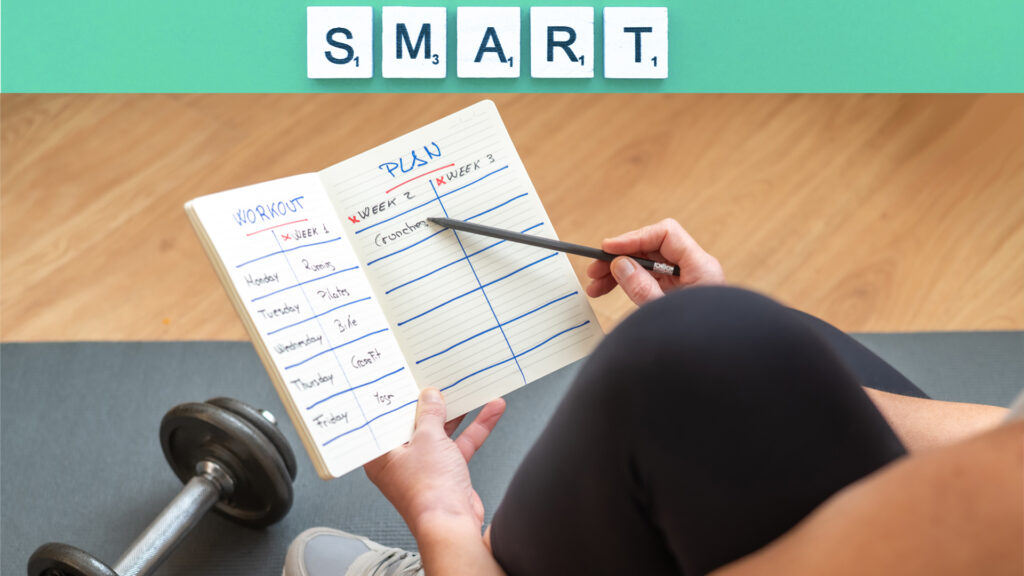
As the new year approaches, many of us feel ready for a reset, a chance to refocus, recharge, and recommit to our personal wellness. But setting goals is only half the battle; setting the right goals is where lasting progress happens. That is where the SMART method comes in. Whether you are just beginning your fitness journey or looking to level up, SMART goals provide clarity, structure, and a realistic roadmap to success, both inside and outside of work.
What Are SMART Goals?
SMART stands for Specific, Measurable, Achievable, Relevant, and Time bound. Using this approach helps transform vague intentions like “I want to get healthier” into actionable, motivating steps you can actually stick with.
Specific
A general goal like “I want to exercise more” is hard to follow and even harder to track. Instead, get specific about what you will do and how often. Example: “I will walk for 30 minutes during my lunch break, three times per week.”
This goal is clear, practical, and easy to visualize, especially for employees who spend most of the day at a desk. You could also try:
- Taking the stairs instead of the elevator.
- Doing a quick stretch routine between meetings.
- Signing up for one fitness class per week.
Measurable
When you can measure progress, you can see success, and that sense of accomplishment keeps you motivated. Try tracking:
- Duration: How many minutes of activity you complete.
- Frequency: How many days per week you move.
- Intensity: How you feel after each session or how your heart rate responds over time. For office staff, wearable devices or smartphone apps make this easy. Even tallying steps with a pedometer can help turn progress into something tangible.
Achievable
Ambition is great, but unrealistic goals can lead to frustration and burnout. Choose a goal that challenges you without overwhelming you. If you currently walk twice a week, set a goal to walk three times. If your workdays are packed, aim for two short 10 minute activity breaks instead of one long workout. The goal is steady improvement, not perfection.
Relevant
Your goal should support your health and daily life. Think about what matters most right now, maybe improving flexibility to relieve tension from long hours at your desk, boosting endurance so you can play with your kids or grandkids, or reducing stress to improve focus at work. When your fitness goals align with your lifestyle and priorities, you are more likely to stay consistent.
Time Bound
Without a timeline, even the best goals can drift. Setting a timeframe adds focus and accountability. Example: “I will complete four weeks of lunchtime walks and reassess my progress at the end of the month.”
You can always adjust as needed, but having a target date helps keep you moving forward.
Putting It All Together
SMART goals turn broad ideas into a clear plan of action. For example: “I will participate in one 15 minute workout or stretching session, three times a week, for the next eight weeks to increase my energy and reduce work related stress.”
It is realistic, measurable, and directly connected to both health and job performance.
As you set your intentions for the new year, remember that progress does not come from perfection, it comes from consistency. Now is a great time to start tracking your goals, celebrating milestones, and seeing just how much a few smart steps can transform your year.